
Reducing disability claims and prolonged absences
Psychological health concerns account for a substantial share of disability claims in Canada.

A structured approach for prevention mutual groups and their member employers
Your member employers face new challenges in supporting psychological health at work and meeting occupational health and safety (OHS) requirements.
Prevention mutual groups now need to help their members address these challenges.
One-off interventions and stand-alone training are no longer enough.

Mutual groups need a structured, transferable and measurable approach they can use across member employers while accounting for differences between sectors.
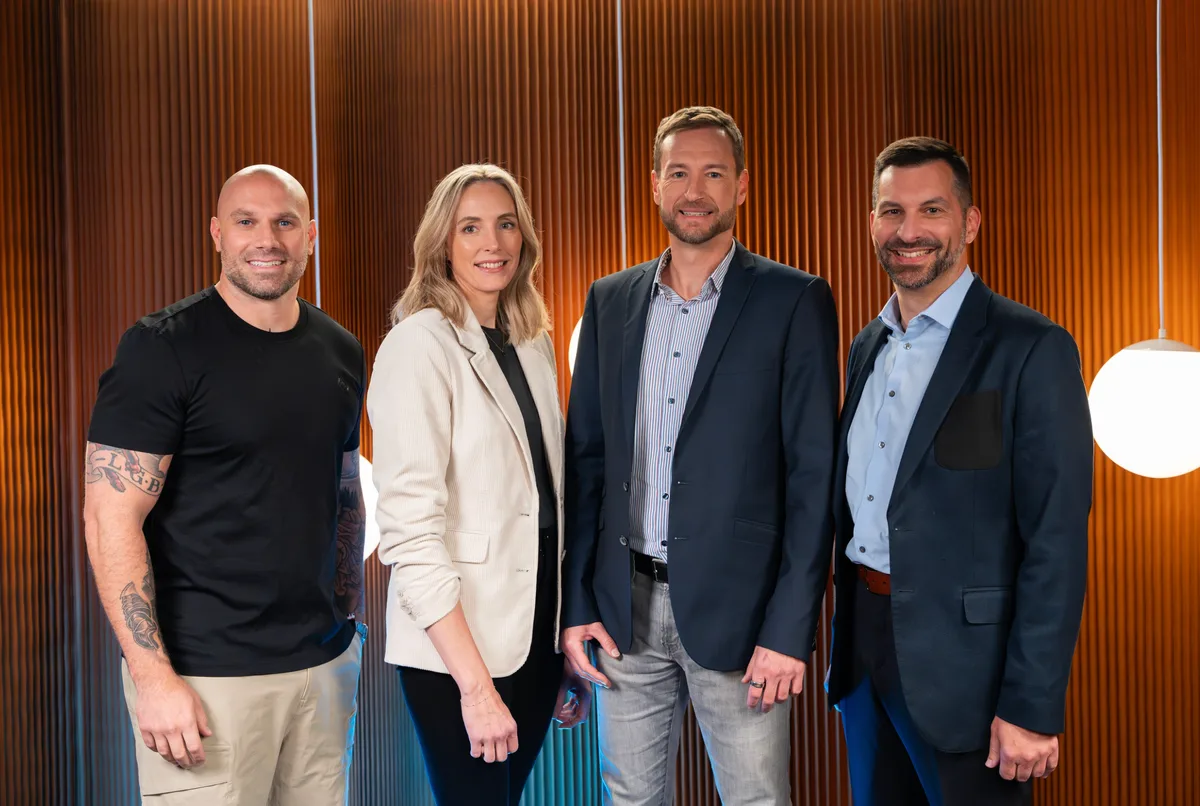
Our team brings together pioneers in online training, recognized experts in OHS and workplace psychology, and committed advocates for psychological health.
With more than 20 years of experience developing online training for employers, headfirst creates rigorous, practical content designed for use across a mutual group and adapted to how its members operate.
Psychosocial risk prevention is a regulatory requirement. According to Canada Life, mental health conditions account for a substantial share of workplace disability claims and costs.
Psychosocial risk prevention gives mutual groups an opportunity to offer new services to their members.

Psychological health concerns account for a substantial share of disability claims in Canada.
The costs of disability and absenteeism affect all members.
The approach helps employers address workplace psychological health requirements under Act 27.
Preventing psychosocial risks can give mutual groups a competitive advantage and help attract new members.

headfirst helps employers build psychosocial risk prevention into their existing OHS practices.
headfirst works upstream of employee assistance programs (EAPs).
A structured assessment of organizational risk factors, using tools suited to member employers or their sectors.
Short, practical training for employees and managers, grounded in their day-to-day work and designed for use across the mutual group.
A template member employers can adapt and integrate into their existing OHS procedures, with support for organizational development.
Guidance to help member employers take action and apply good practices.
Fact sheets, intervention guides, documentation templates, indicators, reports for leadership and the CNESST, and dashboards that can be shared across member employers.
Progress tracking and clear reports for member employers’ leadership teams.
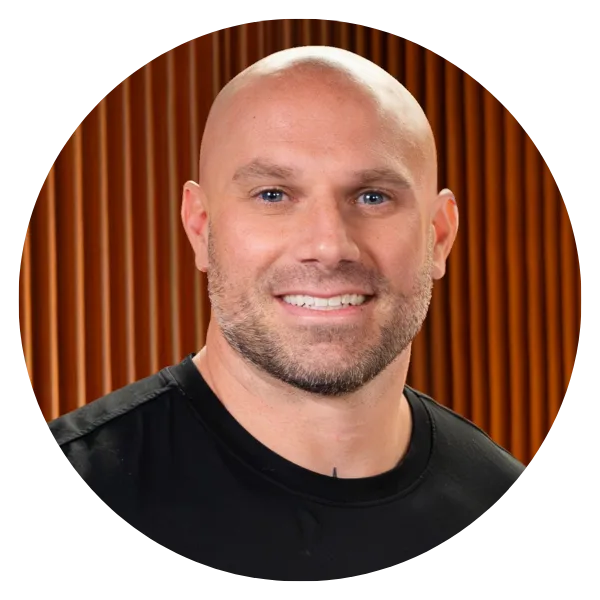
Co-founder, speaker and host
Étienne Boulay is committed to preventing psychosocial risks and promoting psychological health at work, particularly in construction and manufacturing.
They work with us because psychological health matters to them.

Actor and host

Actor and host

Actor
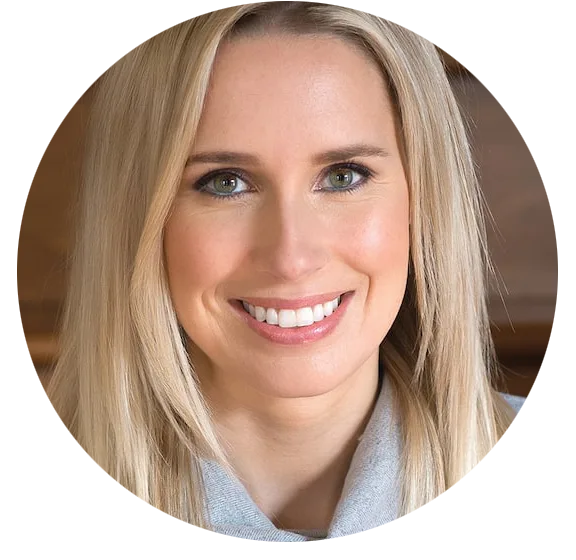
Host
Leading organizations in health, infrastructure and industry.
The headfirst solution complements organizational health approaches from major providers such as TELUS Health, particularly in early prevention and in structuring workplace psychological health practices.
An established industrial company, Équipements Brossard illustrates how the headfirst approach fits manufacturing operations, field teams and front-line managers.
Hydro-Québec has begun putting a psychosocial risk prevention process in place as part of its work to meet OHS requirements.
The approach will also affect its contractors and subcontractors, who are expected to meet the new psychological health requirements.